Role of Human Resource Management for Business Success
Overview
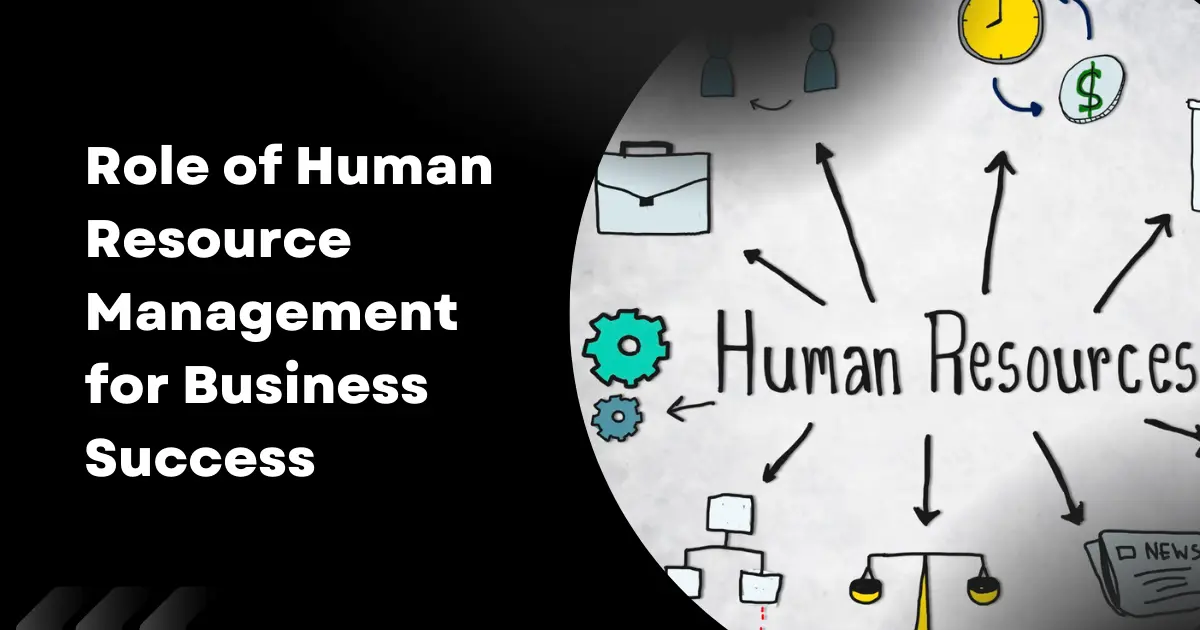
Human Resource Management (HRM) plays a pivotal role in every organization, from recruitment and onboarding to employee management and strategic development. In today's competitive business environment, the effective management of human resources directly impacts productivity, company culture, and overall success. HRM is not just about hiring; it encompasses a wide range of practices designed to improve workplace efficiency, enhance employee satisfaction, and align organizational goals with employee aspirations.
What is Human Resource Management?
Human Resource Management, or HRM, is the process of managing people within an organization. It includes everything from recruitment, training, and performance management to employee relations, benefits administration, and compliance with labor laws. HRM focuses on maximizing employee performance in alignment with the company’s strategic goals. With the advent of technology, HRM has evolved significantly, allowing for more efficient management processes and better tracking of employee performance metrics.
Our Employee Directory for streamlined talent management solutions that enhance efficiency and productivity. Unlock the potential of your workforce with easy access to essential employee information.
Key Functions of Human Resource Management
HRM encompasses a wide array of functions that ensure an organization runs smoothly. Let’s look at the primary functions of HRM:
1. Recruitment and Staffing
The recruitment process is the cornerstone of HRM. It involves sourcing, screening, and selecting candidates who meet the organizational requirements. An efficient employee management system helps in streamlining the hiring process and improving candidate experience.
2. Employee Training and Development
Once employees are onboarded, training and development programs ensure they acquire the skills and knowledge needed for their roles. HRM identifies areas for development and facilitates continuous learning, which contributes to employee retention and engagement. For instance, implementing structured training programs can increase job satisfaction and improve overall employee performance.
A key aspect of supporting ongoing development is the Performance Review process. Regular performance reviews provide valuable feedback and insights, allowing employees to understand their strengths and areas for improvement. This systematic approach encourages continuous learning and aligns individual goals with organizational objectives. To explore how we support this process, visit our Performance Review page.
3. Performance Management
Performance management is essential in ensuring employees meet the company’s expectations. It involves setting performance goals, monitoring progress, and conducting performance appraisals. A well-implemented performance management system ensures that employees are aligned with organizational goals and are continuously growing. Utilizing regular feedback mechanisms helps employees understand their strengths and areas for improvement.
Integrating automated Attendance Tracking can significantly improve performance monitoring by accurately assessing employee engagement. Learn more about how it enhances performance by visiting our Attendance Tracking page.
4. Compensation and Benefits
HRM oversees the administration of employee compensation and benefits. This includes salary, bonuses, health insurance, retirement plans, and other perks. Proper management of compensation ensures that employees feel valued and motivated. Regularly reviewing and updating benefit packages can enhance employee satisfaction and loyalty.
To streamline this process, explore how Payroll Management can simplify salary calculations and compliance management, ensuring timely and accurate compensation for all employees.
5. Employee Relations
Maintaining positive relationships between employees and management is a key aspect of HRM. It involves handling workplace conflicts, ensuring fair treatment, and fostering a collaborative work environment. Effective communication strategies and regular feedback sessions can improve employee relations significantly.
6. Compliance with Labor Laws
HRM ensures that the organization complies with all relevant labor laws and employment regulations. This is crucial in avoiding legal disputes and ensuring ethical treatment of employees. Staying informed about changes in legislation helps in minimizing risks related to non-compliance.
Explore how our HRMS Software helps organizations remain compliant with local labor laws and employee rights, safeguarding both the organization and its workforce.
7. Succession Planning
Effective HRM involves planning for the future by identifying and nurturing employees who can step into leadership roles. Succession planning helps in building a resilient workforce and reduces the impact of sudden departures. By fostering internal talent, organizations can maintain continuity and stability.
8. Workplace Safety and Health
HRM is responsible for creating a safe and healthy work environment. This includes ensuring compliance with occupational safety standards, providing employee wellness programs, and addressing any health-related issues within the organization. Implementing safety training and health initiatives can significantly reduce workplace incidents.
Learn how Geofencing Attendance can support workplace safety through effective Attendance Management, ensuring that employees are accounted for in real time.
Why is Human Resource Management Important?
Human Resource Management is not just about managing people; it’s about aligning employee goals with organizational objectives to drive success. Here’s why HRM is critical for businesses:
- Talent Acquisition and Retention: Efficient HRM practices help attract top talent and ensure they remain engaged and loyal to the company.
- Improved Employee Productivity: Through performance management and continuous training, HRM ensures that employees are motivated and performing at their best.
- Strategic Planning: HRM provides valuable insights into workforce trends, enabling companies to make informed decisions about staffing, training, and organizational changes.
- Legal Compliance: HRM ensures that companies comply with labor laws and regulations, reducing the risk of penalties and lawsuits.
- Enhanced Company Culture: A strong HRM system fosters a positive work environment, improving employee satisfaction and overall morale.
How HRM Contributes to Business Success
Human Resource Management is an essential component of business success. By focusing on optimizing employee performance and ensuring a positive work environment, HRM helps businesses achieve their goals. Here’s how:
- Boosting Employee Engagement: Employees who feel valued and supported are more likely to stay engaged and committed to their work.
- Driving Innovation: A well-managed workforce contributes to innovation by bringing fresh ideas, improving processes, and driving continuous improvement.
- Reducing Turnover Costs: Effective HRM practices reduce employee turnover, which in turn saves the company money on recruitment, training, and lost productivity.
- Aligning Workforce with Business Strategy: HRM ensures that the workforce is aligned with the company’s strategic objectives, helping the organization move forward with clear direction.
Discover more about the benefits of an automated Leave Management System in driving operational efficiency.
Tips for Strengthening HRM in Your Organization
To make the most out of your HRM system, consider the following tips:
- Invest in Technology: Utilize HRMS software to streamline HR processes like recruitment, attendance tracking, and performance management. Automation saves time and reduces the risk of errors.
- Foster a Positive Work Culture: Prioritize employee well-being and create a culture of recognition and appreciation. This boosts morale and productivity.
- Stay Compliant: Regularly review labor laws and ensure your HR practices are compliant with local regulations to avoid penalties.
- Encourage Employee Development: Continuous learning and development programs keep employees engaged and prepared for future roles within the company.
For more tips on how to improve workforce management, check out our HRMS Key Features. Enhance your organization's efficiency and productivity with our comprehensive solutions.
Quick Summary
The role of Human Resource Management is crucial to the success of any organization. By focusing on recruitment, training, performance management, and employee relations, HRM not only improves efficiency but also creates a thriving company culture. As businesses continue to evolve, the need for efficient HRM practices will only grow.
Implementing modern HRMS software can help organizations optimize their HRM processes, reduce manual effort, and ensure they remain competitive in today’s market.
Frequently Asked Questions
What are the primary functions of human resource management?
Why is HRM important for business success?
How can organizations strengthen their HRM practices?